

Last year, Porches' Aaron Maine pulled an old four-track recorder out of his closet and began making music that was harder to fix. No endless editing. No unlimited tracks. Mistakes were something to live with.
The resulting 2026 mixtape, MASK, captured something Maine had missed in computer-based production. He was inspired by the difficulty of editing on the machine and the imperfections that remained.
In 2018 Maine told the Village Voice that the limitations of the four-track recorder “forced” him to “finish the songs and see them all the way through" and earlier this year he told Wonderland. that it “was a really good exercise in accepting mistakes for the sake of the whole song or track."
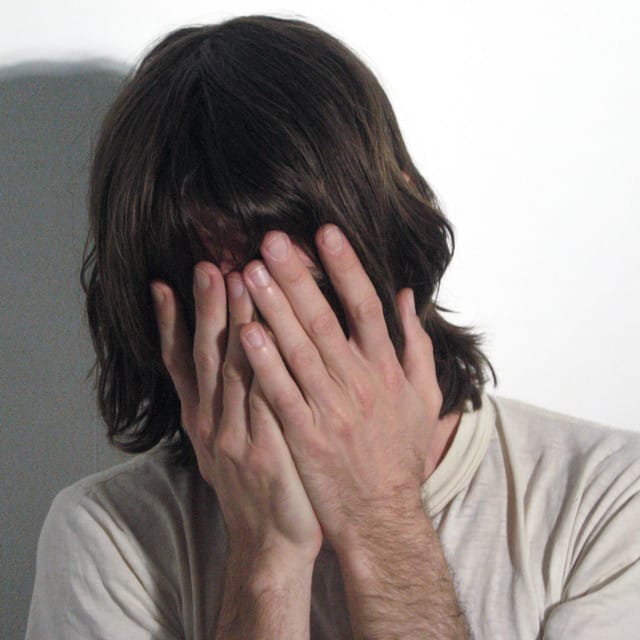
He's not alone. Finn Wolfhard recorded much of his 2025 solo debut, Happy Birthday, on four- and eight-track equipment, embracing the accidents and incidental noises that computer recording makes easy to eliminate. At the same time, device manufacturers are deliberately building in limitations to new products like the Dirtywave M8 Tracker or the Dusk Studio DAW.
Just as AI and other technologies threaten to make music creation nearly effortless, musicians are deliberately introducing limitations, AKA friction, into their process, finding true creative riches in the creative freedoms of constraint.
What Is Friction-Maxxing?
Coined by The Cut columnist Kathryn Jezer-Morton in January 2026, friction-maxxing is the practice of deliberately reintroducing inconveniences that modern technology has eliminated. Think writing letters, abandoning GPS, or carrying an iPod instead of streaming everything.
Applied to music, it might mean restricting the number of tracks in a recording, avoiding quantization, or using an instrument that takes considerable effort to master.
The principle is hardly new. Philosophers have called it striving play—undertaking an activity because the experience of pursuing a difficult goal is itself rewarding. Similarly, creativity researchers have explored enabling constraints: restrictions that open up possibilities rather than simply closing them off.
It's the difference between using a four-track because you like how it sounds and using one because you like what it makes you do.
The New Technology of Designer Limitations
Friction-maxxing isn't confined to vintage-gear hunters scouring thrift stores for near obsolete tech. A new generation of music technologists are specifically building limitations into sophisticated digital instruments.
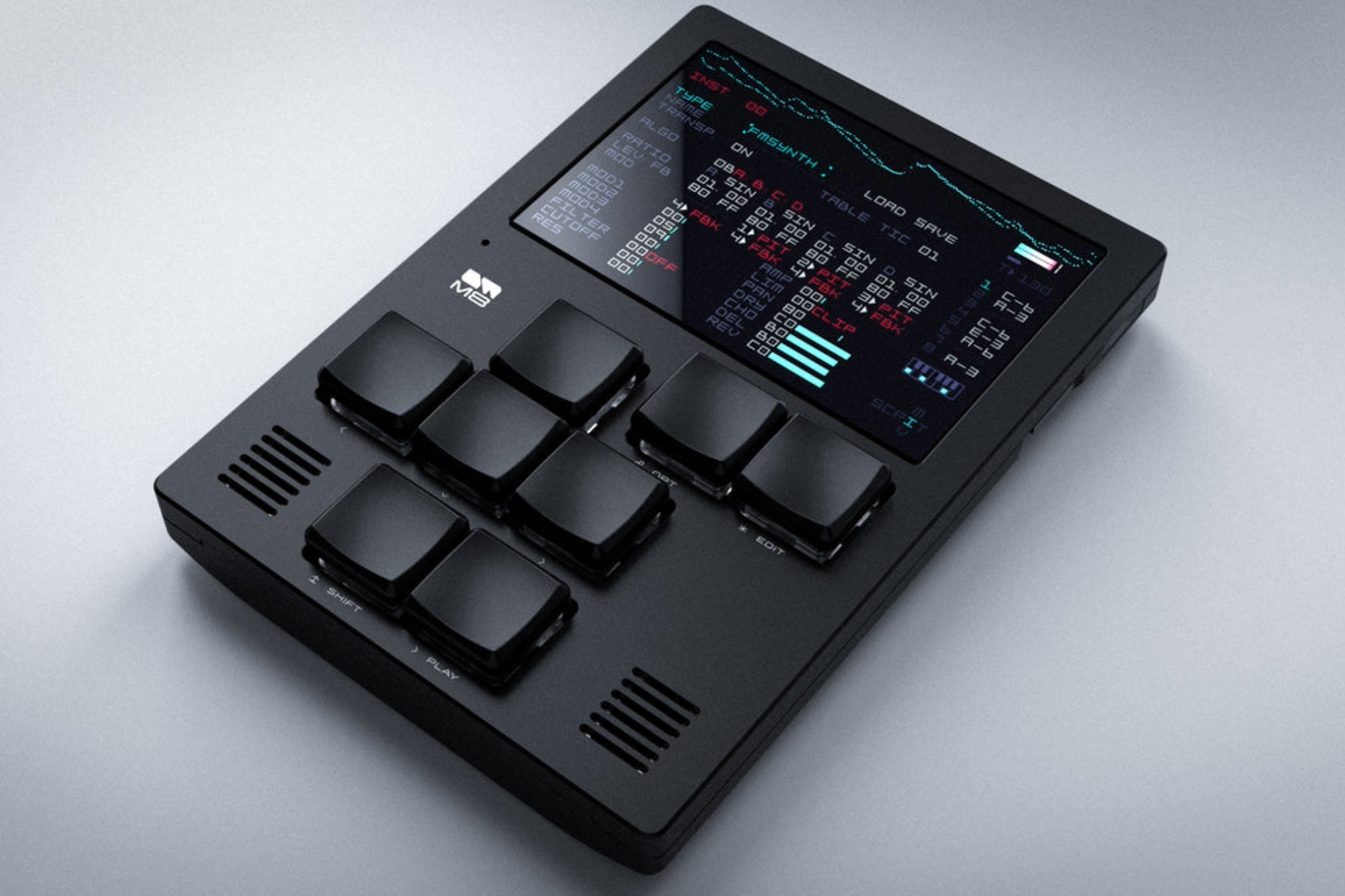
The Dirtywave M8 Tracker (sold out at the time of this writing) restricts musicians to eight monophonic tracks and a specialized, programming-like interface. Dusk Studio, a new open-source DAW, imposes a 24-track ceiling and allows only one insert plugin per channel. Both challenge the unlimited-options philosophy of mainstream recording software.
But perhaps the most revealing example is Teenage Engineering.
Its OP-1 synthesizer, first released in 2011, became famous for a four-track recording environment that deliberately reproduced aspects of analog tape, including the inability to undo mistakes.
The company held to that restriction for 15 years. Then, in April 2026, it introduced seven stages of Undo to the newer OP-1 Field.
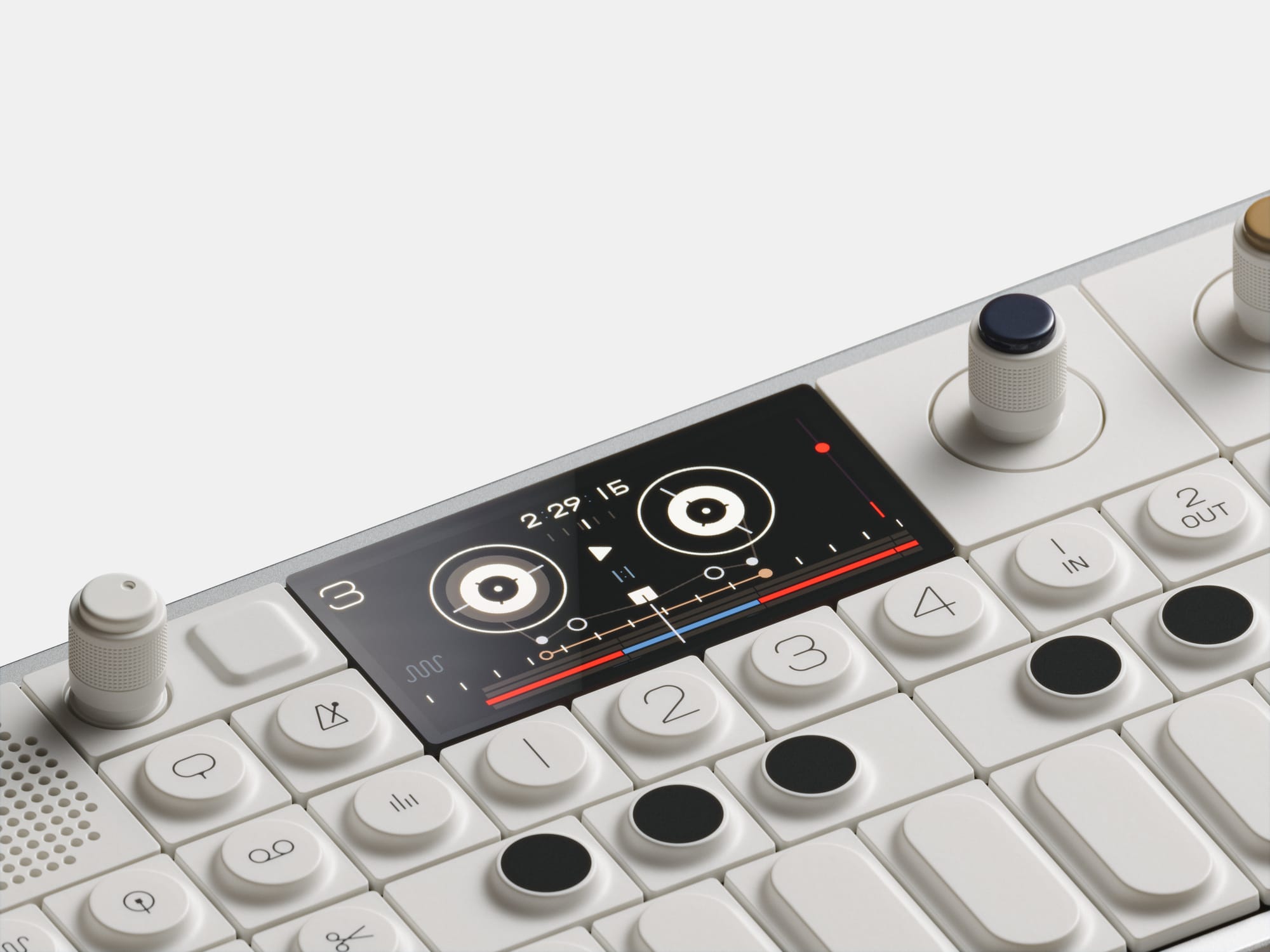
The Swedish manufacturer explained that the original restriction was intended to preserve the feeling of home recording on a four-track. But, as the company conceded, "sometimes it's nice to get a do-over."
The decision raises an interesting question: When does a creative limitation stop being productive and become a nuisance?
The Cycle of Aesthetic Redemption
Musicians have been finding beauty in technological limitations for decades.
In a 1999 essay, scholar Thomas Y. Levin described turntable scratching as the "aesthetic redemption" of a sound once associated with technological failure. Similar transformations occurred with guitar distortion, digital glitches, and the synthetic drum sounds of the Roland TR-808.
Brian Eno recognized the pattern in a 1995 diary entry in one of his more quoted passages: "Whatever you now find weird, ugly, uncomfortable and nasty about a new medium will surely become its signature."
First condemned, then corrected, finally beloved.
But there's an important distinction. Digital tools can reproduce the hiss and saturation of cassette tape without imposing the restrictions of recording to it.
Friction-maxxing takes aesthetic redemption a step further. Artists aren't necessarily trying to recover an obsolete sound. They're recovering the experience of working within obsolete limitations.
What Is Art Without Struggle?
Marketing strategist Robert Rose calls this kind of deliberate resistance valuable friction: slowing an otherwise automatic process to encourage judgment, originality, and more meaningful work.
But not all resistance is valuable. A malfunctioning interface is unlikely to make someone a better musician.
Limits, it turns out, are a creative secret power.
Legendary King Crimson and Yes drummer Bill Buford told the Journal on the Art of Record Production in 2021 that “Limitations and constraints are the bread and butter of the creative thinker or inventor.” And there’s no surprise Eno has another relevant quote: “Regard your limitations as secret strengths. Or as constraints that you can make use of.”
I find the greatest confluence of these ideas to co-exist in psychologist Mihaly Csikszentmihalyi's theory of flow, which suggests that deep engagement often emerges when a person's skills are matched by an appropriate challenge—not when the task is too easy or made maximally difficult.
Flow is often the North Star for creatives. Harry Styles recently spoke to Thom Yorke in a Rolling Stone interview about this exact feeling: "The sweet spot is where you’re relaxed, in that flow state where it feels like, ‘Oh, this feels really easy.’”
There's also emerging evidence that removing effort from the creative process can change how people feel about the result.
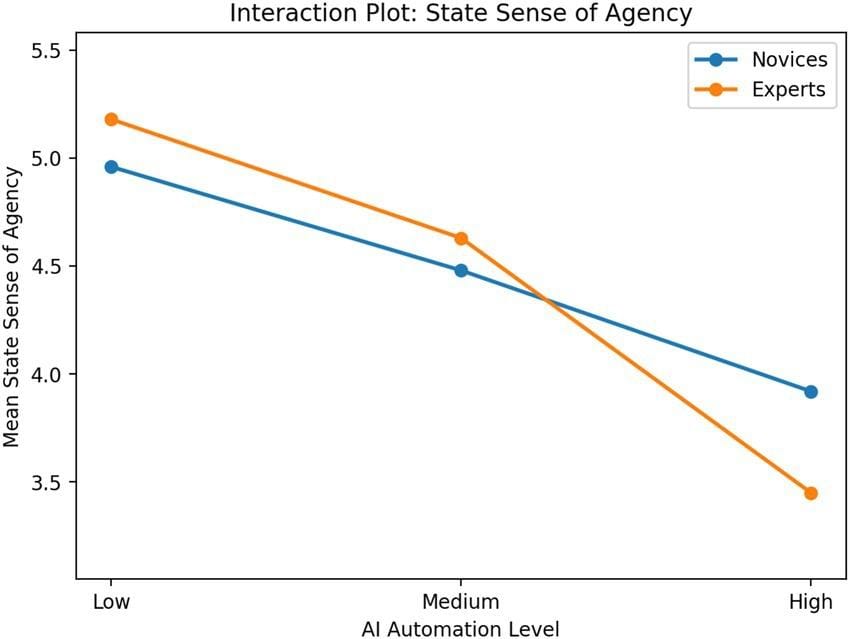
In a May 2026 study involving 162 participants collaborating with generative AI on short musical compositions, researcher Wenting He found that greater AI automation reduced reported effort, psychological ownership, and creative agency. The decline in ownership and agency was especially pronounced among participants with more musical training.
The study doesn't establish that difficult processes produce better music. It suggests that taking work out of creation can also take something away from the experience of creating.
And perhaps that's the real attraction of friction-maxxing.
The objective isn't necessarily to make better music or to romanticize unnecessary hardship. It's to preserve the choices, accidents, challenges, and small victories that make creating music feel like an accomplishment.
After all, there's a reason musicians don't simply buy records instead of learning instruments.
Sometimes the work is the reward.
